
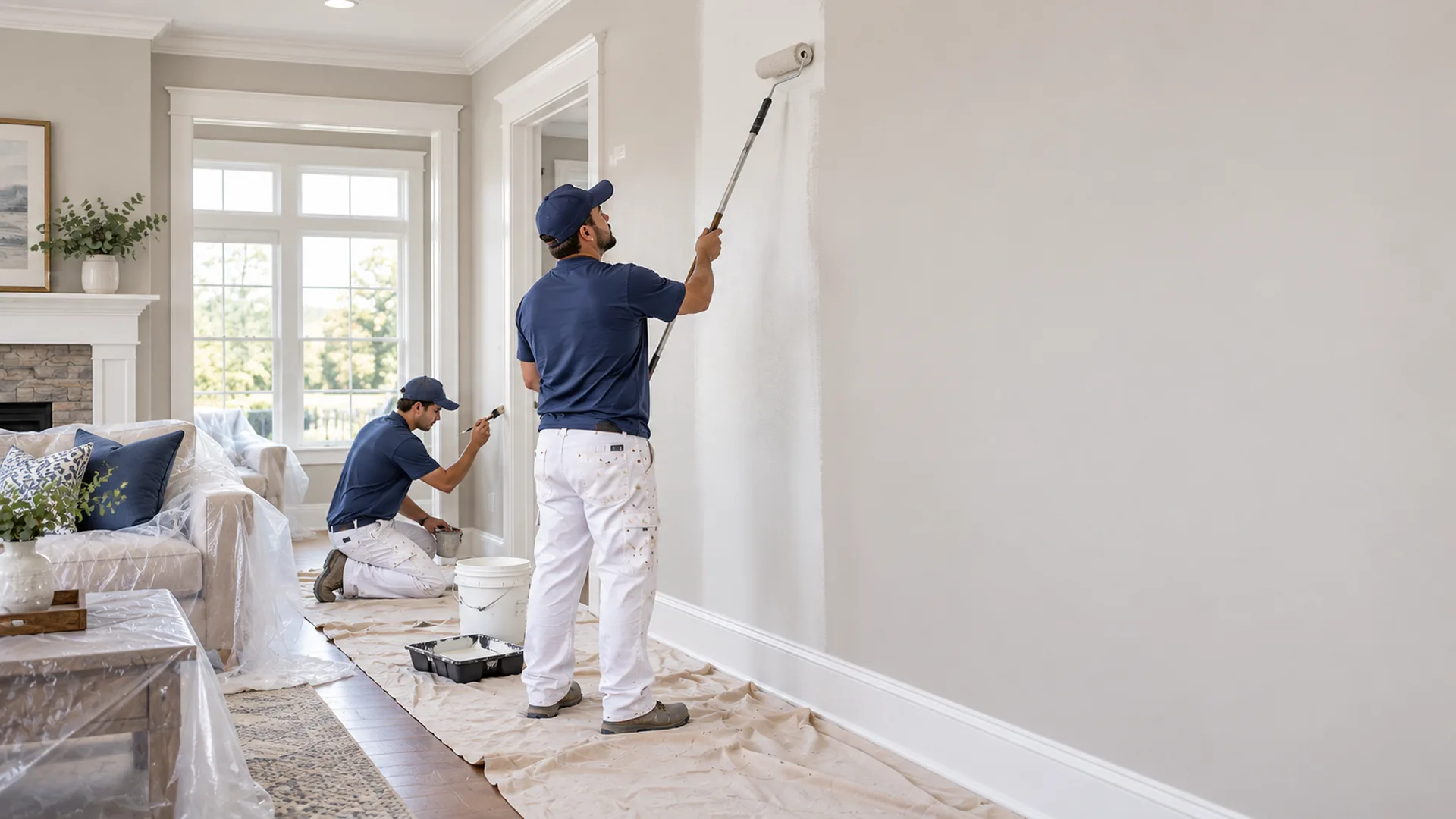
A smoother interior painting project starts before the first can is opened. When rooms are easy to access, wall repairs are identified early and everyday household needs are discussed in advance, your painters can spend more time on careful preparation and application. This guide explains how to prepare your home for interior painting without turning the whole house upside down. It also gives you a useful checklist for questions to settle during the estimate.
Decide Which Rooms and Surfaces Are Included
Begin with a clear list of the rooms you want painted and the surfaces included in each room. Walls may be the main focus, but ceilings, trim, doors, closets, built-ins and stair rails can affect the schedule and finish plan. Walk through the house and note areas where the current coating is peeling, stained, cracked or unusually glossy.
It also helps to identify rooms that must remain usable during the project. If you work from home, have young children or need access to a particular bedroom, let the painting team know during planning. A practical sequence can then be arranged around your routine.
Move Small Items and Discuss Larger Furniture
Remove small decorations, lamps, electronics, toiletries and fragile items from the work area. Take pictures and mirrors off the walls unless your painter has agreed to handle them. Store loose items in another room so they are not simply shifted from one side of the space to the other.
Large furniture does not always need to leave the room. Depending on the space, it may be grouped toward the center and protected. Ask what should be moved before the project begins, especially for heavy pieces, wall-mounted televisions and items that require special handling.
Point Out Repairs Before Interior Painting Begins
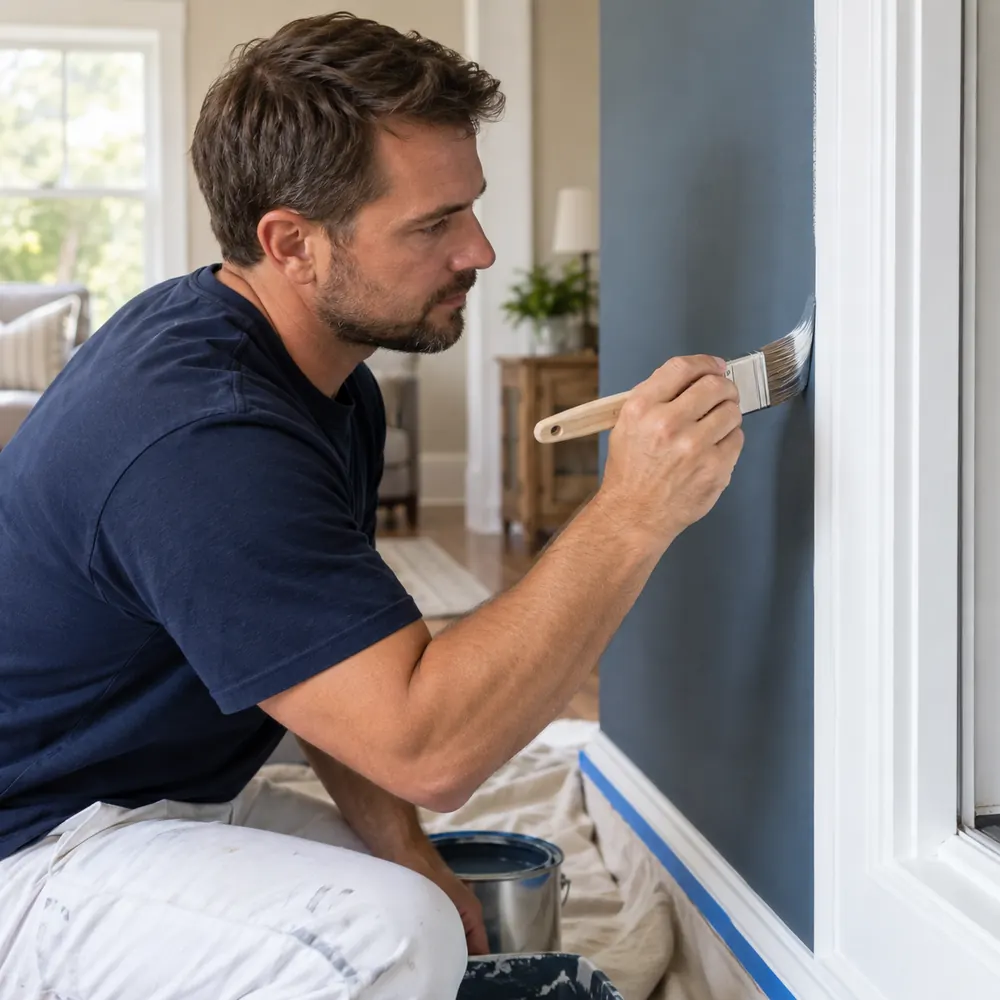
Small nail holes, open seams and ordinary surface marks are common. Larger cracks, water stains, loose drywall tape or recurring damage may need a closer look before coating. Show these areas during the estimate rather than waiting until work starts. That allows the preparation requirements to be included in the scope and helps avoid surprises.
If a stain came from a leak, confirm that the source has been repaired and the area is dry. Paint can improve the appearance of a sound surface, but it should not be used to hide an active moisture problem.
Confirm Colors, Sheens and Samples
Choose colors with the room’s natural and artificial light in mind. A color can look different beside flooring, cabinets and trim than it does on a small paper chip. If you are uncertain, ask about viewing a sample in the actual room before making the final decision.
Sheen matters too. Kitchens, bathrooms, hallways and children’s rooms may need different practical considerations than a low-traffic bedroom or formal living area. Your painter can explain suitable options based on the surface and how the room is used.
Plan for Pets, Ventilation and Daily Access
Keep pets away from active work areas, open containers and freshly painted surfaces. Decide where they will stay before the crew arrives. Discuss ventilation, entry points and parking so equipment and materials can move safely through the property.
Before each workday, make sure the agreed rooms are accessible. At the end of the day, ask which areas can be used and whether any surfaces need additional drying time.
Schedule Interior Painting With a Clear Scope
Good preparation is a shared plan, not a last-minute scramble. Eastern Iowa Painting can review your rooms, surface conditions and household routine before work begins. Learn more about our interior painting services in Eastern Iowa, check our service areas, or request a conversation about your project.